
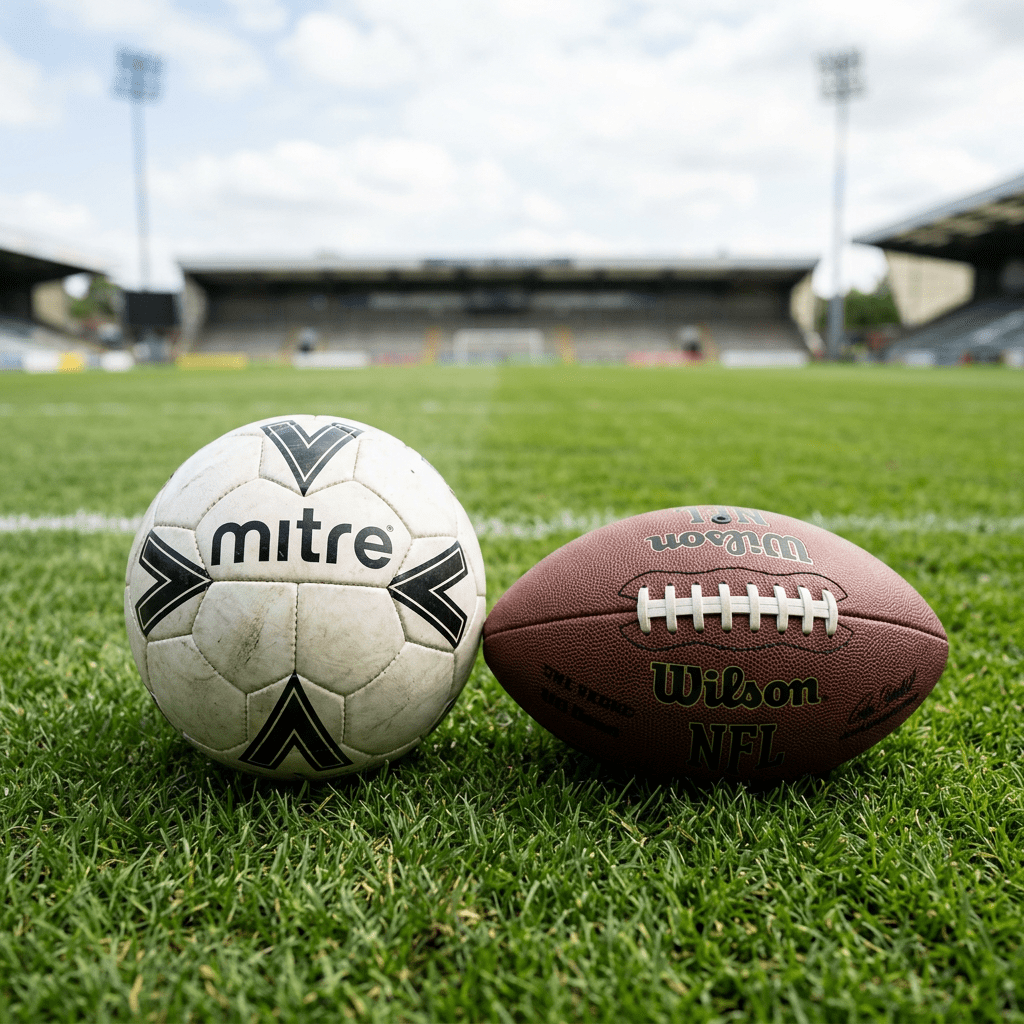
UK football is an institution, hopping over the pond for a World Cup has been a bit of a culture shock for both fans and players alike.
The big, wide American world has swallowed football up, and has opened the door for the world’s game to take a look at some of America’s games, and there is a lot to like.
So, what can be taken from American sport and adopted into the European / UK sporting landscape? There is a lot from embracing technology, understanding sports science through to attitudes to children’s sport, and the UK should definitely be open to taking and adapting some of America’s best sporting attributes.
Case and point, Tom Brady
The hall of fame quarterback Tom Brady expertly demonstrates some of the key things football can take from American sport. Brady embraces technology in sport, and sport science. He references how sport science and changes to the way he thought and treated his body was pivotal to his long career. Muscle work, making his key muscles longer and more flexible, removing tension and working to be hydrated at all times allowed him to play until he was 45 years old.
The UK football scene is starting to catch up on sport science, there are doctors, physios and analysts everywhere, but there is still work to do, America has far more resource for this, but in the UK, the attitude to new methods and sport science needs to change and adapt. 20 years ago in the UK, a sport Psychologist or hold and cold therapy would seem extreme, or weak, and would be frowned upon, now – it is a huge factor in allowing athletes to fulfil their potential, a brilliant shift in thought and attitude. The future needs to embrace that side of human development and encourage exploration around science and sport at all levels so England can really start to produce world beating talents in any sport.
Football for example, should also look to athletics. Schedules are different yes, but the attitude to health and recovery is a total contrast to wider football culture.

Brady leading the way
Tom Brady was to some degree lucky, in that he rose through the ranks in a time where sports science and technology were becoming more of a focus, and he had the right people around him. He did however, listen to those people and now is at the forefront, leading the charge for sports stars leading a healthier lifestyle.
Brady has taken a holistic approach to his health, in every sense. He has adopted his own TB12 method of diet, exercise and recovery which any sportsman should take note of and maybe try to implement into their own live.
Brady’s TB12 Method emphasises pliability training, a plant-forward anti-inflammatory diet, functional workouts, mindfulness, hydration, and sleep. Its central philosophy centres on keeping muscles long, soft, and pliable rather than bulky and contracted — treating daily soft-tissue work not as recovery after injury, but as a proactive discipline built into everyone’s training plan.
His 80/20 method, of 80% plant based food, 20% lean animal products, helped him no only in his career but post career as well. He is one of these names that transcends sport and there is no doubt that his attitude toward his body has in part helped him become the iconic name that he is.
The broad philosophy of TB12, with focus on recovery and anti- inflammatory work could hugely benefit UK footballers, and everyone. Whilst 80% plant based diet and various aspects of TB12 aren’t all scientifically backed or proven effective, but the overarching themes are great and should be adapted into all UK sport.
Data, data, data
Another element that is obviously flowing into English football, but has been led by American sport, is data data data. The corporate takeover or sport with stats and data to prove successes and failures.

This divides opinion, but that is what data is there to do. Data divides and presents biases and is all based on perspective and how it is digested by individuals, but that is why it is absolutely effective in sport and it’s use should continue to grow to influence UK football.
No two interpretations of certain stats will be the same, we place different values on different things dependant on lifestyle, geography, political beliefs and overall our values as people.
If you understand and work with American football players, there is a high level of analytical perception among the best. Quarterbacks like Tom Brady undoubtedly have high levels of intelligence and are receptive to and good at understanding data.
This is absolutely something that would enhance English football. Footballers have stereotypically been the lads, they don’t care about education, just love a kick around, had no plan B etc. This compared to American Football where it’s stars are all brought through college systems, understand data and statistics as a standard and would be nowhere without that knowledge.
Football obviously has it’s areas where it excels compared to American football, the flow, build up of pressure, relentlessness of only two halves should absolutely stay, but using data to enhance this would only be a good thing.
Again there are dangers in data, using data to understand the dark arts of football, showing play down to stop pressure build up, tactical injuries, time wasting and alike have progressed because of technological developments and understandings of data, this is negative for the best spectator sport in the world becoming a land of time wasting, diving, and ruining the spectacle.
Sports science, tech and data all thrive in American sport, and the adoption into UK football will only go further over the coming years, and if used effectively and for the right reasons, then that is absolutely brilliant.