A word often heard on the football pitch is composure, it’s a trait that is regularly tracked statistically, and midfielders all have to demonstrate considerable levels of composure in specific moments of every match.
The elite midfielders, Sergio Busquets, Xavi, Frenkie De Jong, display the highest levels of composure every time they enter the field. There are undoubtedly levels to this trait, key identifiers, and measures used in football and across sport to support players staying calm and composed under pressure.
At its core, composure is the ability to stay calm, focused, and decision-capable while under pressure that would normally provoke a fight-or-flight emotional response. It reflects mental resilience and decision-making in high-stakes or fast-paced situations, such as when facing an aggressive defender, taking a crucial penalty, or making a critical pass in a crowded midfield.
Composure is an action
One sports psychologist frames composure more precisely as a relationship to outcome: pressure can be defined as an expectation to create a result, and how we perceive our ability to control that result shapes what we focus on, which in turn shapes performance. Composure, on this account, isn’t the absence of pressure — it’s a particular way of relating to it.
Composure can therefore be described as the action you take, in reaction to levels of pressure. One way of building composure through training is a drill receiving the ball with multiple defenders around you, and you have to keep that ball for 5-10 seconds. You can learn a lot about a player from this drill alone, in a match scenario there will be the option to pass, play the ball on and move away from pressure, which is a good action to take, but when that option isn’t on you can really see how a player reacts when pressure builds.
Attack vs defence
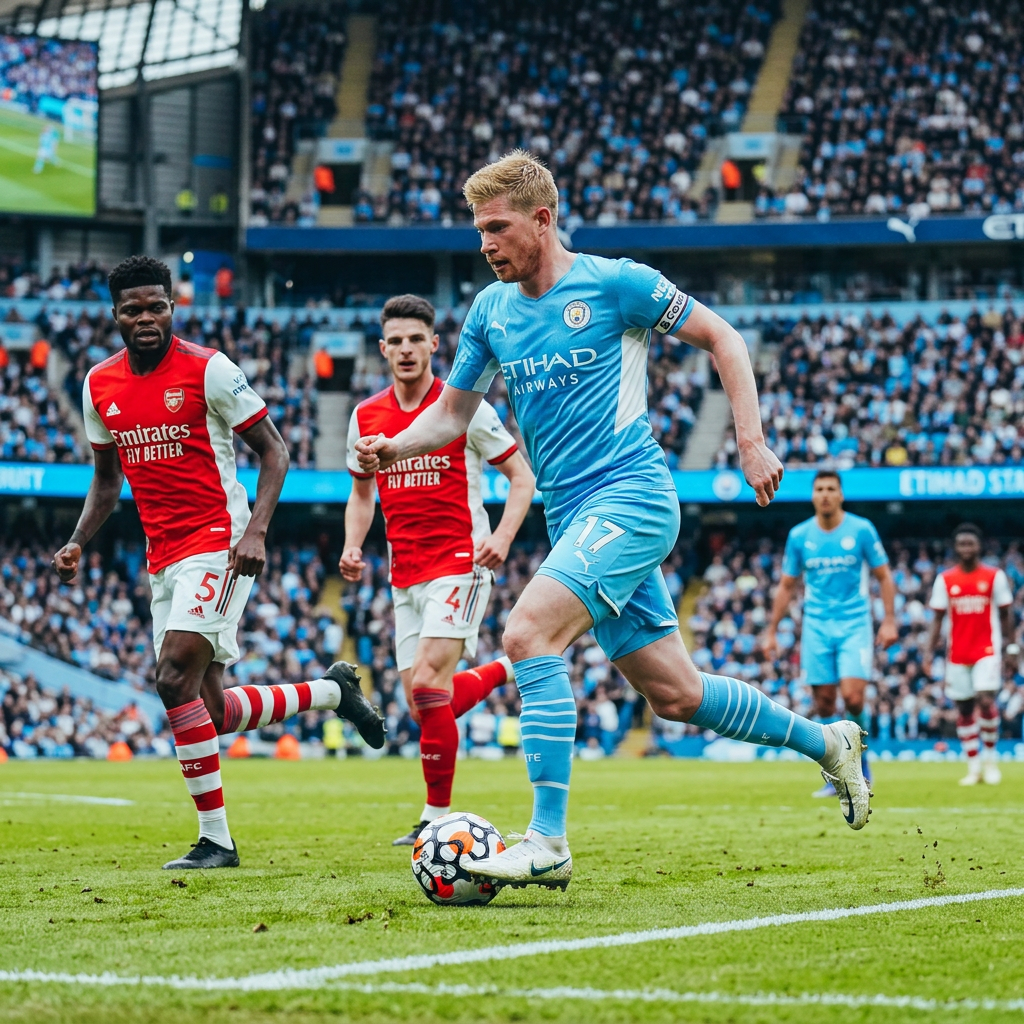
Composure can show in different areas of the midfield, an attacking midfielder like Kevin De Bruyne or Martin Odegaard demonstrate composure to thread key passes in the final third, whilst composed defensive midfielders like Rodri or Joao Neves demonstrate composure when breaking up an attack or controlling the tempo of a game.
Some footballing greats at using composure to control the overall flow of a match are undoubtedly Andrea Pirlo or Paul Scholes. Even a progressive holding midfielder and current Manchester United Manager Michael Carrick was well known for his often underrated skill of staying calm under pressure. A trait which undoubtedly help him with management.
Composure across sport
Composure is obviously a trait adopted in every day life, understanding how you can stay calm under pressure is a great way of managing stressful situations.
As with a lot of traits that can benefit everyday life, we can look to sport to enrich our understanding. Composure transcends across sport, think about a quarterback in American football having to stay calm among the chaos to remember a selected play and adapt real time to throw to the correct passing route.
A golfer needs to handle the nerves of being on the 18th green and having to hole a put for the win, their is no doubt that sportsman contain and harness a high ability to stay calm in pressured situations. A great example of composure controlling the flow of a sport is in rugby, where the scrum half keeps up with every action to be there to play the next pass and start the next phase of play.

Coming back to football, recently observing Joao Neves, he sometimes operates like a scrum half, following his PSG midfield teammate Vitinha into every challenge and opportunity, just drifting behind ready to pick up the pieces.
A batsman in cricket is another great example of composure in sport, some of the greats like Joe Root or Virat Kohli will often be in bat for hours on end, facing hundreds of balls where one slip up and they are out. There are clearly levels to composure in this field, a regular sunday cricketer often wouldn’t see a lot of the balls being bowled due to their high speed, never mind execute the right shots.
The batsman’s ability to stay calm under pressure is more similar to a striker in football, where you have to stay calm when opportunities don’t come and be ready to strike when they do.
Composure is refusal
Overall, composure can be harnessed through routine, such as a batsman repetitively mastering a stroke, or a golfer constantly practicing a put. However, that can only take you so far, and your ability to remain composed in the moment is a refusal to catastrophise and give in to that fight or flight reaction and to make the right decision. All of the best sportsmen, regardless of sport, operate with high levels of composure and that is undoubtedly a factor in how they are able to achieve the things they can.