
Tag: news

  • How Rodri Redefines the Destroyer Role in Football

    How Rodri Redefines the Destroyer Role in Football

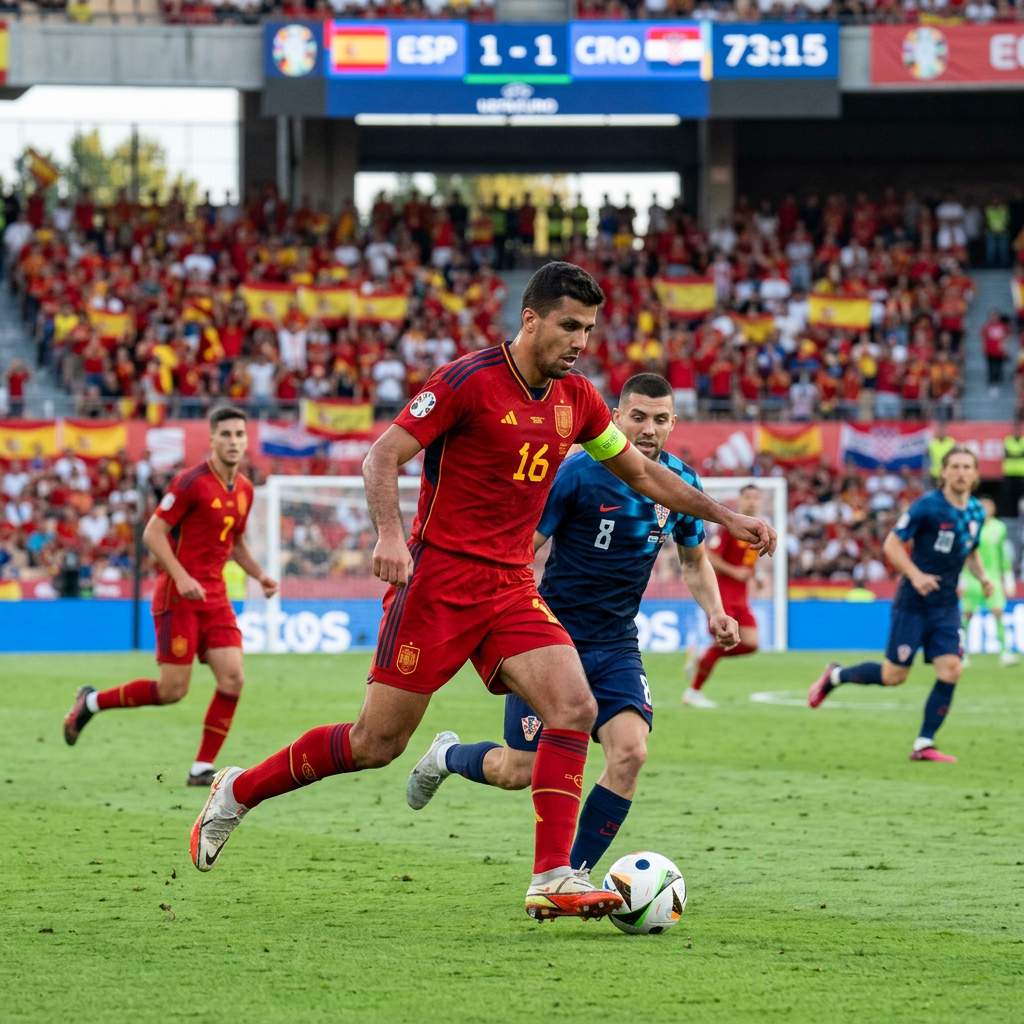
    The destroyer’s role is far from as dramatic as it sounds. The destroyer is the one who tries to bring order and control into a game of many variables, paths and patterns.

    The player in the middle of the pitch to break up play, regain control, and begin a planned attack. The best example in the current game is Manchester City’s Rodri. Any young midfielder should study Rodri and his movements to understand just how key he is to Manchester City’s success, he is a serial winner, who’s football intelligence combined with his physical attributes make him a destroying force to be feared in the heart of midfield.

    Football is of course a game of balance, and Rodri’s success has also been impacted by the incredible talents around him, both at City in players like Bernardo Silva, and Phil Foden – then with Spain Pedri plays alongside Rodri and the pair cause havoc to whoever they face.

    One thing to note is that this role cannot operate alone, if you look through the English footballing pyramid, you’ll see that the destroyer role can be somewhat of a luxury, and is often a part time position operated by midfielders who need to put on multiple hats and switch into more traditional box to box roles to help their teammates.
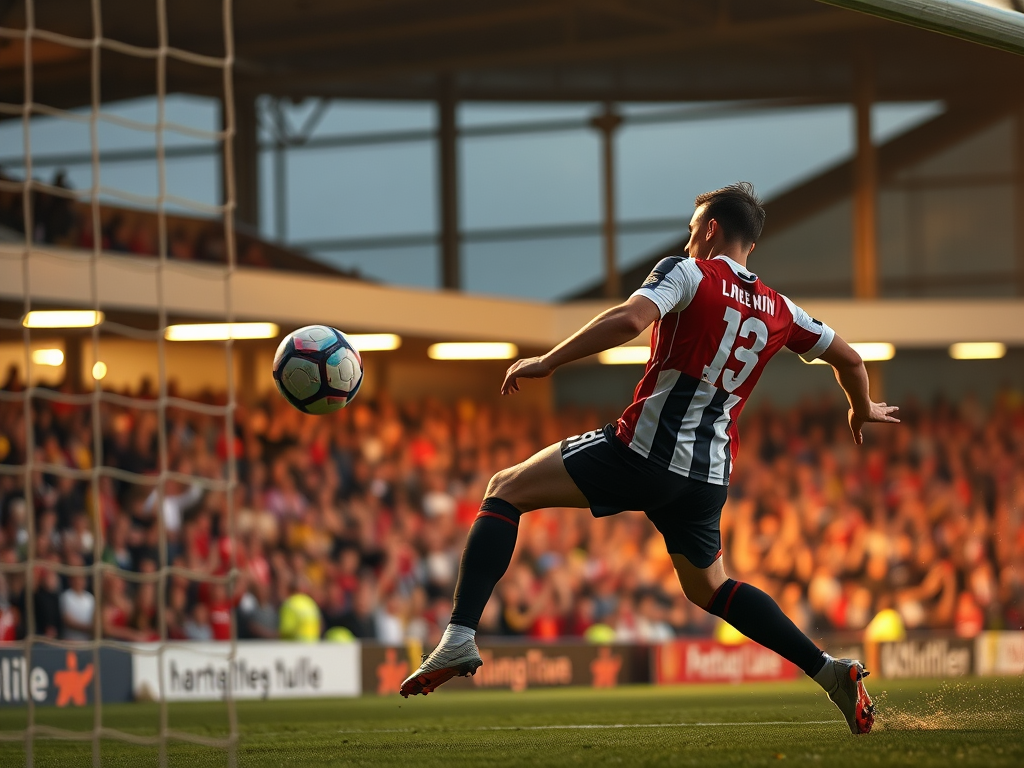
    The Destroyer usually operates as a single pivot in the deepest point of the midfield with a role of breaking up an attack before it develops, collecting the ball and moving it along. Simply put, search and destroy.

    Another fine operator of this role in recent times is Casemeiro, more during his Real Madrid days. He brings his different traits to the game though, perhaps more aggressive and not as composed or effortless as Rodri, but a fine and fiery example of the destroyer role in action.

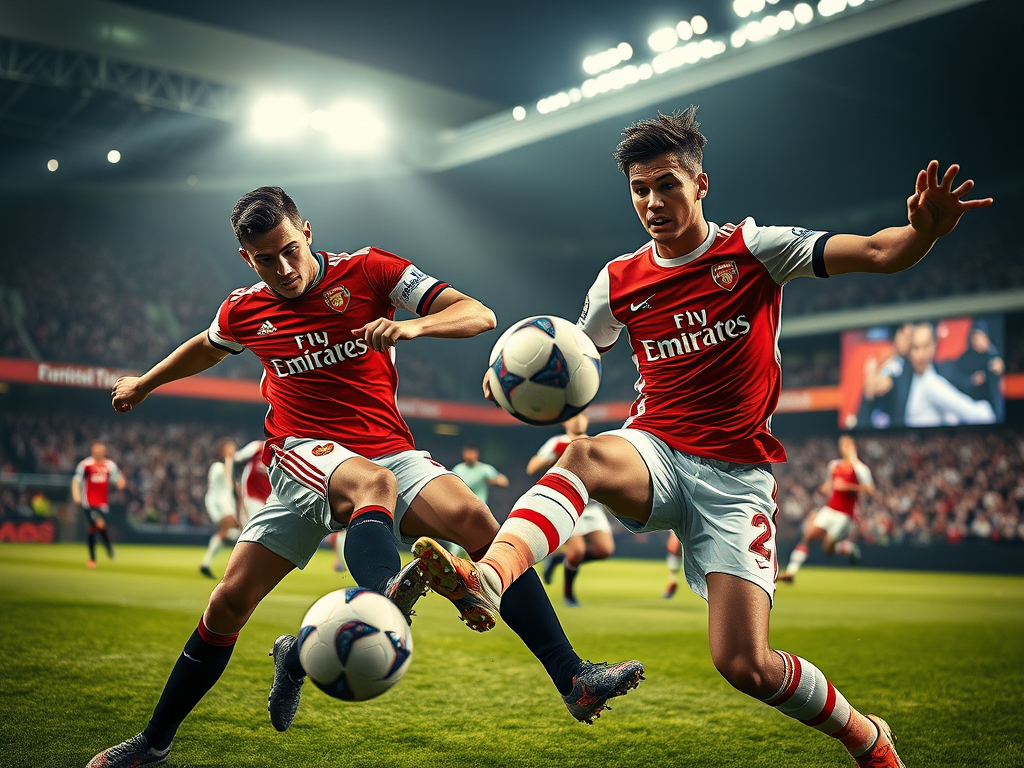
    In the ever developing game of football, this role chops and changes, if you look back 20 years, the Makelele role as it was known, was an early example of this destroyer. Now it has been brought into the modern day by players like Rodri, and is now being progressed further by someone like Arsenal’s Martin Zubimendi.

    Zubimendi again does not possess the physical prowess of Rodri, nor is he as regarded, but he’s undoubtedly a fine talent who has adapted to the Premier League and now should push on in his position under management of Mikel Arteta.
    The destroyer role is adapting and changing, but it is a line of midfield defence that is not be underestimated, and I’m sure the role will progress further as they all do, but for now we must study Rodri to know further just how the destroyer operates.
  • World Cup 2026: Changing of the guard

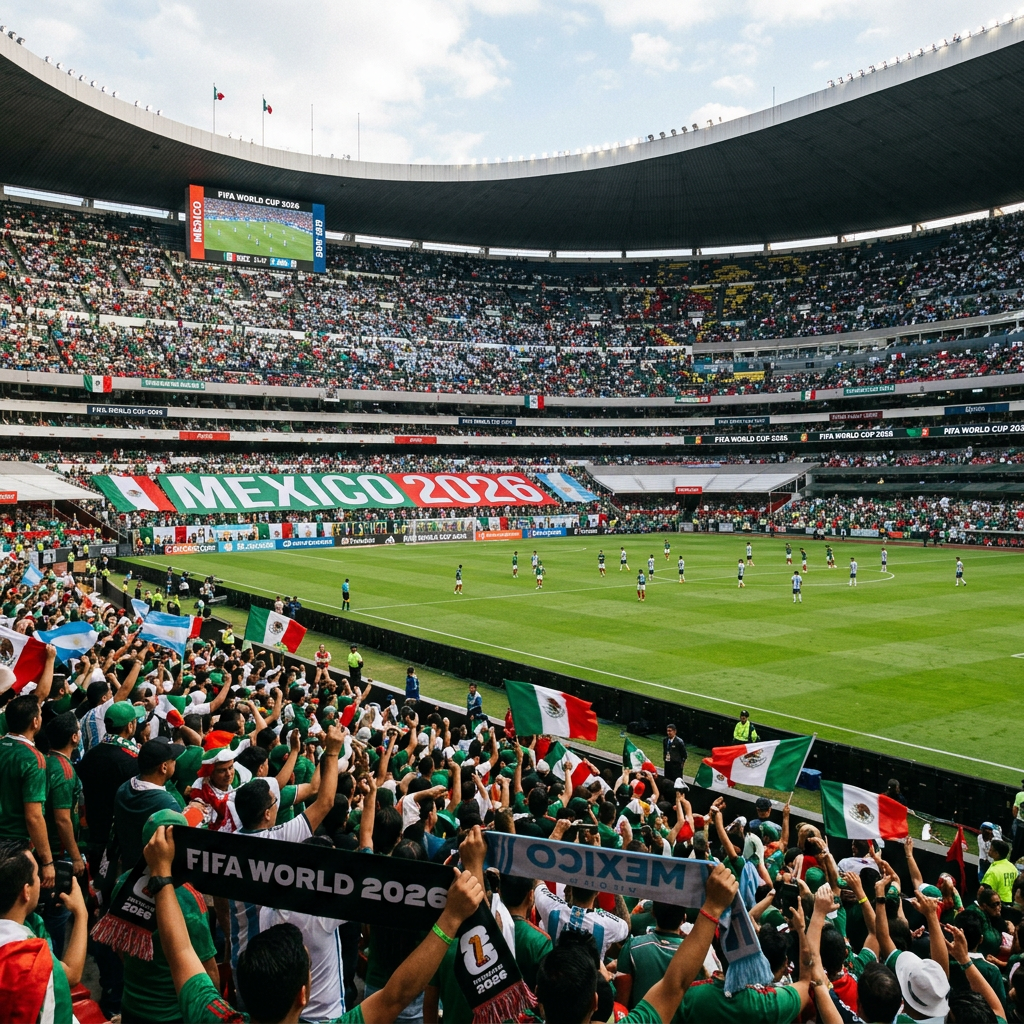
    World Cup 2026: Changing of the guard

    For a long time international football has been dominated by nations with talented individuals able to put it all together on the biggest stage. Brazil and their rich history of skilful superstars have carried their proud nation to five World Cup victories, Argentina have shone with Maradona and Messi.

    For a long time key individual talents have been able to fire their nation forward into a position of promise in the World Cup, but as the game has progressed, the other nations have also progressed. Sport science, technology, psychology have all reshaped the sporting landscape in the last 30 years. Marginal gains, the corporate takeover of sport from top to bottom is progressively levelling the playing field of our best sporting nations.

    We have just come through a Premier League season won by a very strong, disciplined team that took inspiration from American Football in its set plays and set ways, and used that to find victory across a 38 match campaign. Football is changing, the once free flowing, fast paced, end to end entertainment is slowly being drowned out by minute tactical advantages and small percentage plays, often at the expense of the paying customer.

    Combined with VAR, simulation, time wasting and the coined dark arts, football is a far cry from the entertaining spectacle it was even at the turn of the century.

    The World Cup 2026 will follow suit and show the world the situation that the game is currently in. In the first round of group fixtures, Japan, a well oiled machine, kept an on paper much more talented group of Dutch players at bay for a 2-2 draw. We’ve also seen the progression of the USMNT, or USA, who pulling on vast resources and world leading sport science, were able to coast past Paraguay and lay down a statement for the improvement of the game they call soccer.

    In contrast, we’ve seen Brazil look puzzled at times against Morocco. A side (Brazil) that previously played with flair and no fear at all, look to be bitten by the bug of routine, structure and discipline. They are now a product of the football environment, club football to some degree appears to be stripping back the individuality and identity of some of our greatest talents.

    Even Spain, and Belgium have looked unsettled in their first fixtures. A lot of the so called ‘bigger’ teams, look like they are playing with the shackles on, like we could be missing out on a real product of entertainment, but to save face, every team is exercising caution.

    There is a worry that this continues, and we end up with a football world that operates with many of the same type of superstars, and the coach and system and set pieces become the difference maker as opposed to raw footballing talent. There are of course benefits and drawbacks to this, multiple nations being able to sit at the top table’s with the Brazil’s and Argentina’s of the world is great. Overall though, if it is at the expense of the paying fan, getting a watered down experience with less excitement, then overall that could be a huge risk and football could eat itself.

    Lots of the draw with American Football for example is actually away from the field, tailgating, betting, the entertainment and the spectacle of the game sometimes proceeds the action and result.

    There will be winners and losers to all of this, and the hope is that the sport for the fans is the former, and isn’t swallowed up, and a once simple escape for the working class doesn’t become another corporate statistical machine that will eventually overpower it’s own product.